
Pre-Engineered Buildings (PEB): A Smarter Way to Build
- admin
- August 10, 2024
- No Comments
In today’s fast-paced construction industry, speed, efficiency, and durability are more important than ever. Pre-Engineered Buildings (PEBs) have emerged as a modern construction solution that meets these demands while offering flexibility and cost savings. From industrial sheds to commercial complexes, PEBs are transforming the way structures are designed and built.
What Is a Pre-Engineered Building (PEB)?
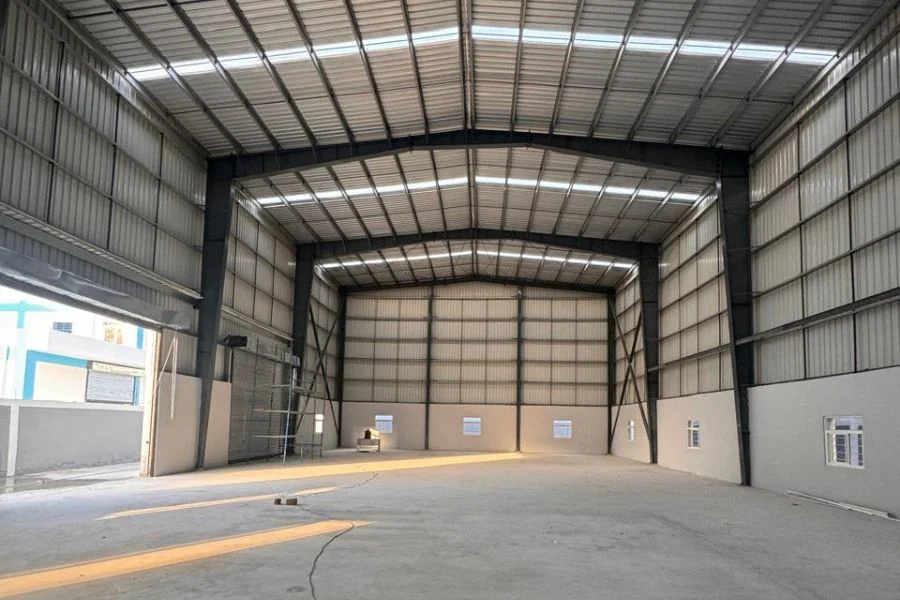
A Pre-Engineered Building is a steel structure that is designed, fabricated, and assembled using pre-manufactured components. These components are engineered in a controlled factory environment and then transported to the site for quick installation. Unlike conventional construction, PEBs minimize on-site work, resulting in faster project completion and consistent quality.
Key Components of a PEB Structure
-
Primary Framing: Main steel members such as columns and rafters designed to handle structural loads.
-
Secondary Framing: Purlins, girts, and bracings that provide stability and support.
-
Roof & Wall Panels: High-quality metal sheets or insulated panels for protection and thermal efficiency.
-
Accessories: Skylights, ventilators, doors, windows, and rainwater systems for enhanced functionality.
Advantages of Pre-Engineered Buildings
1. Faster Construction
PEBs significantly reduce construction time due to off-site fabrication and rapid on-site assembly. This helps businesses start operations sooner.
2. Cost-Effective
Optimized steel usage, reduced labor costs, and minimal material wastage make PEBs a budget-friendly solution.
3. Design Flexibility
PEBs can be customized in terms of size, shape, layout, and aesthetics to suit different applications and future expansions.
4. Durability & Strength
Engineered to withstand heavy loads, seismic activity, high winds, and harsh environmental conditions.
5. Low Maintenance
High-quality coatings and materials ensure long-lasting performance with minimal upkeep.
Applications of PEB Buildings
Pre-Engineered Buildings are widely used across multiple sectors, including:
-
Warehouses and logistics centers
-
Factories and manufacturing units
-
Industrial sheds and workshops
-
Commercial buildings and showrooms
-
Aircraft hangars
-
Cold storage and food processing units
-
Sports complexes and auditoriums
PEB vs Conventional Construction
| Feature | PEB Construction | Conventional Construction |
|---|---|---|
| Construction Time | Very Fast | Time-Consuming |
| Cost | Economical | Higher |
| Design Flexibility | High | Limited |
| Quality Control | Factory-Controlled | Site-Dependent |
| Maintenance | Low | Moderate to High |
Sustainability and Eco-Friendliness
PEB structures support sustainable construction practices. Steel is recyclable, waste generation is minimal, and energy-efficient insulation options help reduce carbon footprint. This makes PEBs an environmentally responsible building choice.
Why Choose PEB for Your Next Project?
If you are looking for a construction solution that offers speed, strength, flexibility, and long-term savings, Pre-Engineered Buildings are the ideal choice. Whether for industrial, commercial, or institutional use, PEBs deliver reliable performance with modern design efficiency.
Conclusion
Pre-Engineered Buildings represent the future of smart construction. Their ability to combine efficiency, durability, and customization makes them a preferred choice for modern infrastructure projects. As industries continue to evolve, PEBs provide a scalable and sustainable solution to meet growing demands.
If you’re planning your next construction project, investing in a PEB structure can help you build faster, smarter, and stronger.

