
Pre-Fabricated Buildings: Modern, Fast, and Efficient Construction
In an era where speed, quality, and sustainability define successful construction projects, Pre-Fabricated Buildings have become a preferred solution across industries. Designed and manufactured off-site, these structures offer superior efficiency, consistent quality, and faster project delivery compared to traditional construction methods.
What Are Pre-Fabricated Buildings?
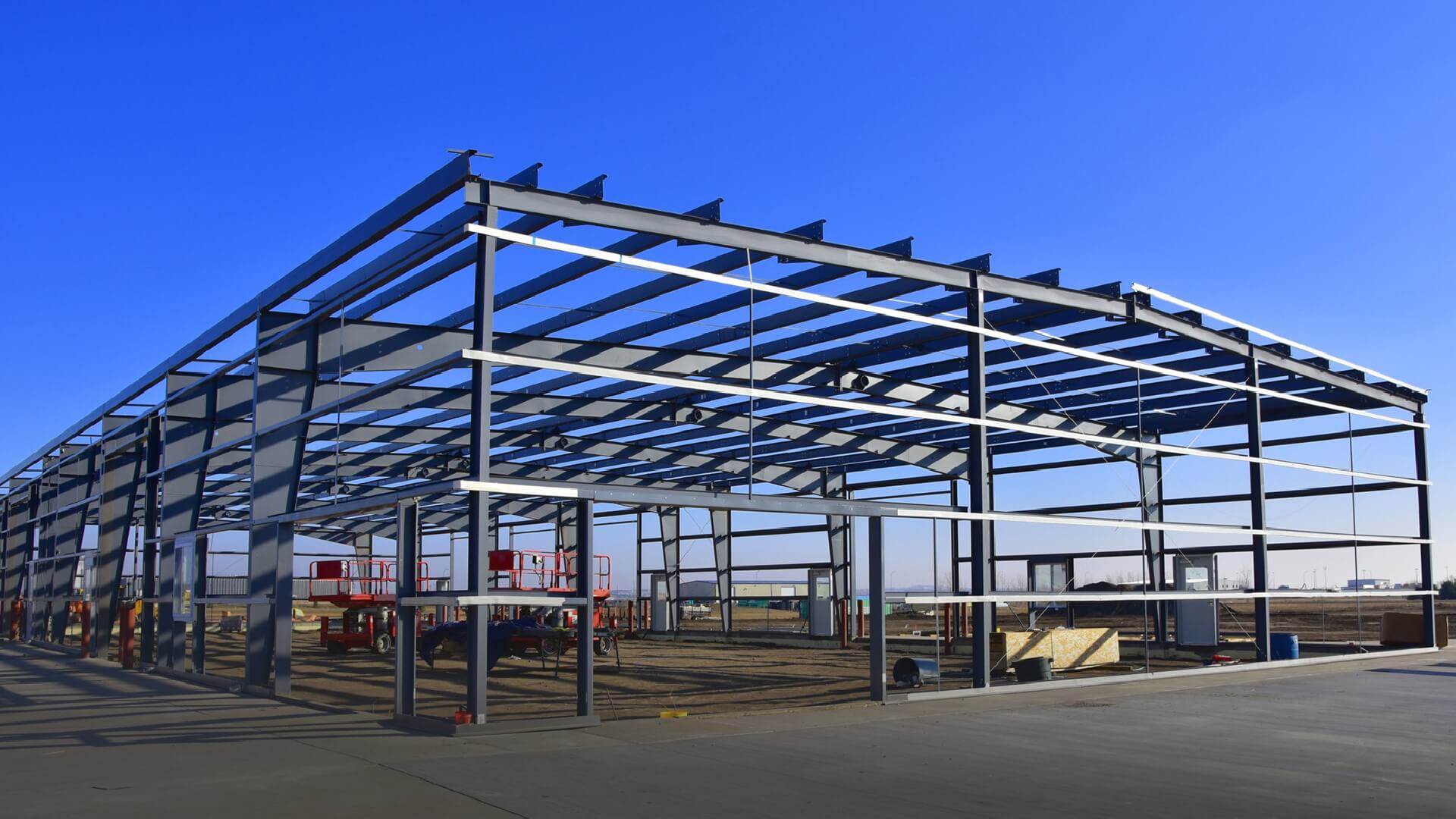
Pre-Fabricated Buildings are structures made from components that are manufactured in a controlled factory environment and then transported to the site for assembly. These buildings minimize on-site construction activities, reduce waste, and ensure precise engineering standards.
Unlike conventional construction, prefabrication allows multiple processes—such as site preparation and building fabrication—to run simultaneously, saving both time and cost.
Key Features of Pre-Fabricated Buildings
- Modular Construction: Components are designed in modules for easy installation, relocation, or future expansion.
- High-Quality Materials: Built using durable materials such as steel, insulated panels, and advanced composites.
- Precision Engineering: Factory-controlled manufacturing ensures accuracy and uniform quality.
- Custom Design Options: Flexible layouts, finishes, and sizes tailored to project requirements.
Advantages of Pre-Fabricated Buildings
1. Faster Project Completion
Pre-fabricated structures significantly reduce construction timelines as most work is completed off-site, allowing rapid on-site assembly.
2. Cost Efficiency
Reduced labor costs, minimal material wastage, and predictable budgets make prefabricated buildings an economical choice.
3. Superior Quality Control
Manufacturing in a controlled environment ensures consistent quality, better finishes, and higher structural reliability.
4. Design Flexibility
These buildings can be easily customized and expanded to accommodate changing needs.
5. Sustainable Construction
Prefabrication reduces waste, supports recyclable materials, and improves energy efficiency through insulated panels.
Applications of Pre-Fabricated Buildings
Pre-Fabricated Buildings are widely used across various sectors, including:
- Office buildings and corporate spaces
- Schools and educational institutions
- Hospitals and healthcare facilities
- Cold storage and food processing units
- Warehouses and logistics centers
- Labor accommodations and site offices
Pre-Fabricated vs Conventional Construction
| Aspect | Pre-Fabricated Buildings | Conventional Construction |
|---|---|---|
| Construction Time | Very Fast | Slow |
| Cost Control | High | Moderate |
| Quality Consistency | Excellent | Site-Dependent |
| Environmental Impact | Low | Higher |
| Scalability | Easy | Difficult |
Sustainability and Environmental Benefits
Pre-Fabricated Buildings support green construction practices by minimizing material waste, reducing on-site pollution, and using recyclable materials. Energy-efficient insulation further lowers operational costs and environmental impact.
Why Choose Pre-Fabricated Buildings?
Pre-Fabricated Buildings are ideal for projects that demand speed, quality, and flexibility. Whether for commercial, institutional, or industrial use, they provide a reliable and future-ready construction solution.
Conclusion
Pre-Fabricated Buildings are redefining modern construction by combining efficiency, durability, and sustainability. With faster delivery, cost savings, and adaptable designs, they offer a smart alternative to traditional building methods. For organizations seeking dependable and scalable infrastructure, prefabricated construction is the way forward.

